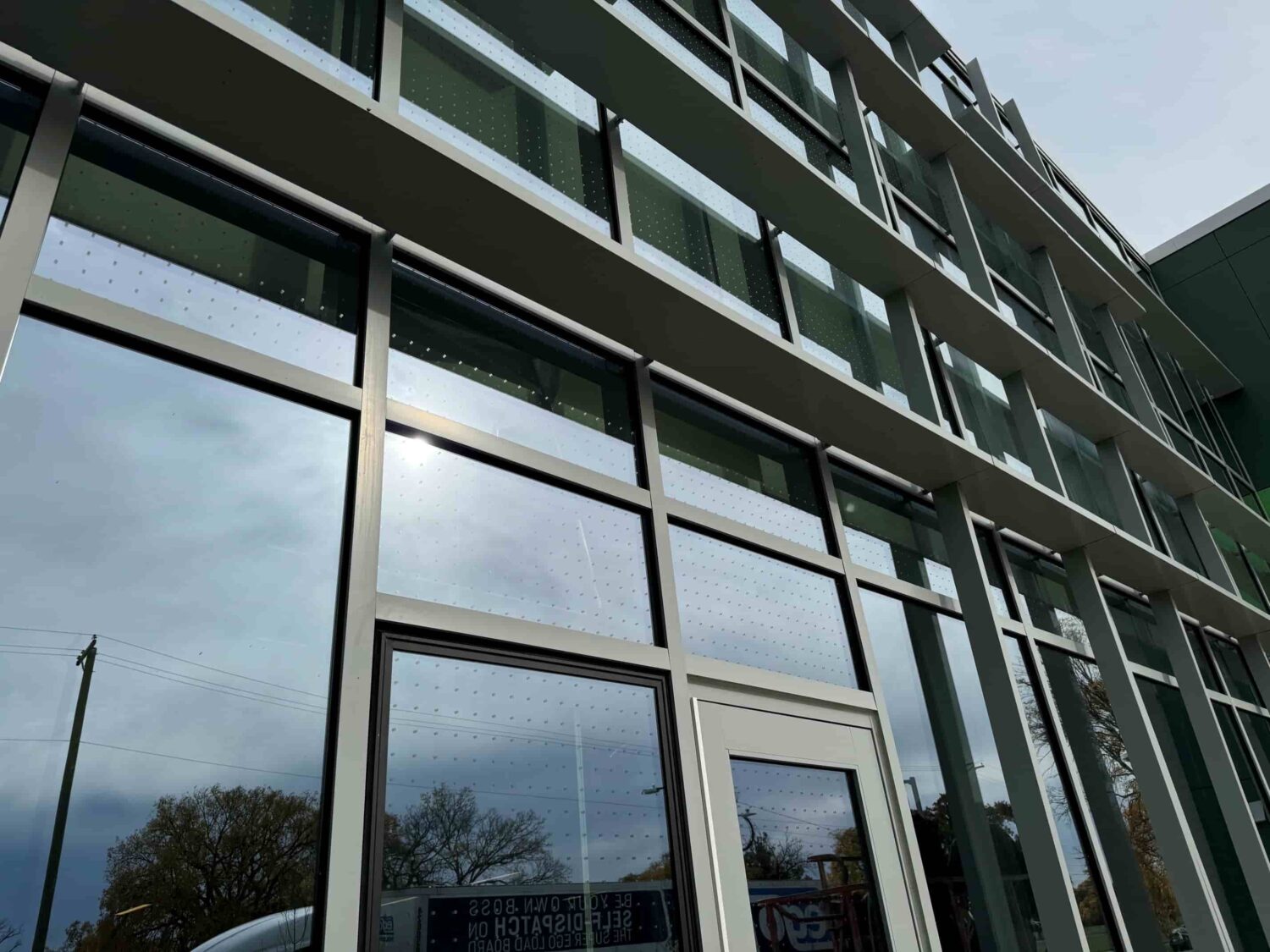
Bird Strike Prevention Window Film for Commercial Buildings

Reduce Bird Collisions While Preserving Natural Light

A Clear, Patterned Window Film Designed for Glass-Heavy Commercial Buildings

Why Bird Strikes Are a Commercial Building Problem — and What Window Film Does About It

Birds cannot perceive glass as a solid surface. To a bird in flight, a large glass facade — particularly one that reflects sky, trees, or open space — appears to be a clear flight path. The result is a collision that is often fatal to the bird and, over time, a significant and recurring problem for building owners and facilities managers dealing with wildlife impact, glass damage, and in some jurisdictions, regulatory exposure.

Bird strike prevention window film addresses the problem directly. It applies a subtle visual pattern to the glass surface — dots, lines, or etched-style elements — that is perceptible to birds while remaining virtually invisible to human occupants from the interior. The film does not significantly reduce visible light transmission or alter the exterior appearance of the building, making it a practical solution for glass-heavy commercial and institutional buildings where other deterrent methods are not appropriate.
Illinois Buildings Where Bird Strike Film Is Most Commonly Specified

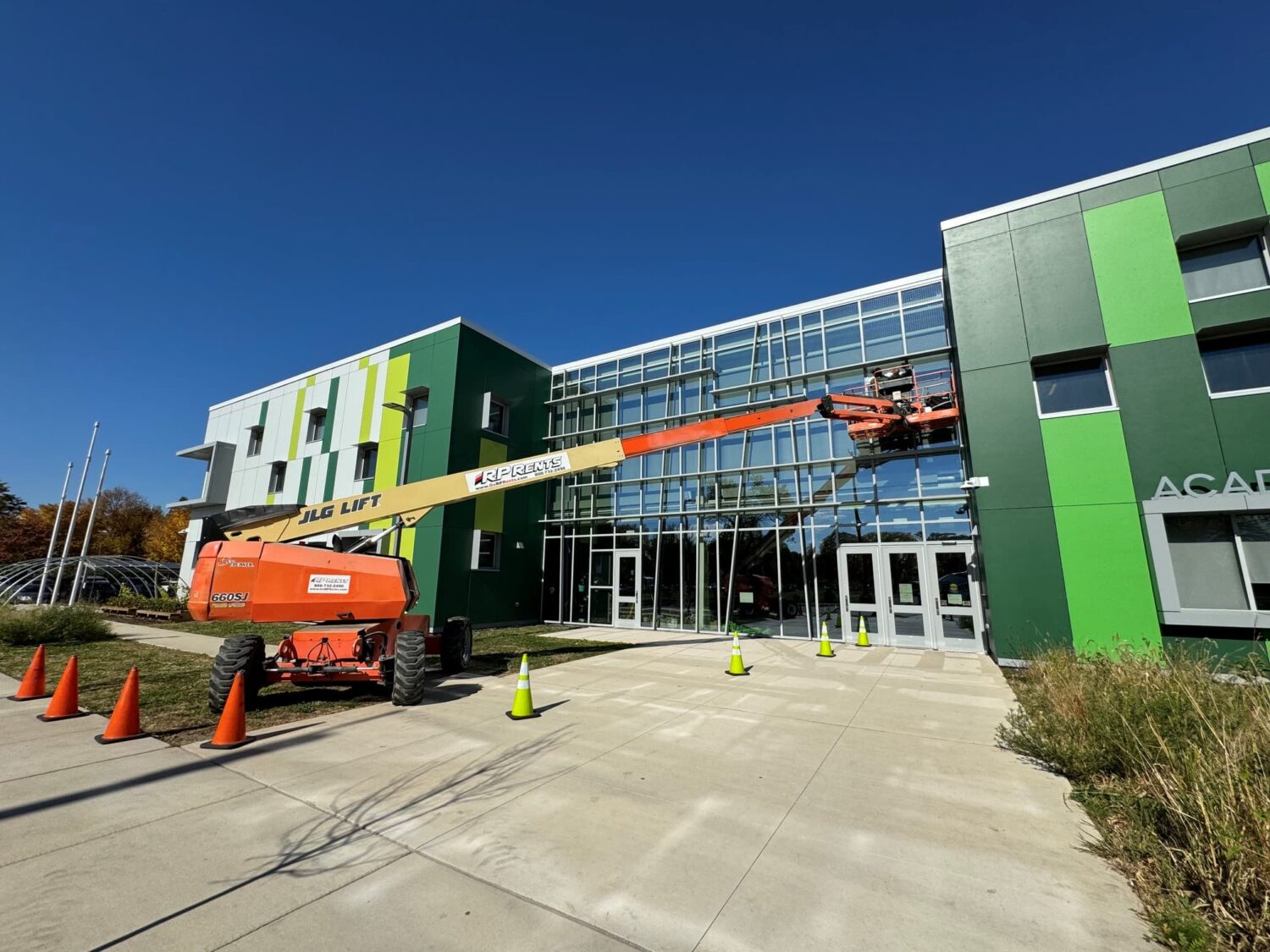
Bird strike film is most relevant for commercial and institutional buildings with large glazed facades, floor-to-ceiling glass, curtain wall systems, or significant glass area adjacent to natural landscapes. In Illinois, the following building types account for the majority of bird strike film specifications:

  • Corporate office buildings and campuses — Large glass facades and curtain wall systems on multi-story office buildings are among the highest-risk surfaces for bird collisions, particularly on buildings adjacent to landscaped grounds, retention ponds, or wooded areas.
  • Healthcare facilities and hospitals — Campus healthcare environments with extensive glazing and adjacent green spaces see consistent bird strike activity. Film is increasingly specified during new construction and renovation as part of sustainability and environmental stewardship commitments.
  • Schools and educational institutions — Campus buildings with significant glass area, atriums, and glazed connector bridges are common bird strike locations. Film installations are frequently coordinated with other school window film projects.
  • Municipal and public buildings — Libraries, community centers, and government facilities with architectural glass features are frequent candidates, particularly in communities near forest preserves, parks, and waterways.
  • Airport and transportation facilities — High bird-traffic environments near runways and adjacent natural areas benefit from film on terminal glass and connector structures.
  • Retail storefronts with extensive glazing — Ground-floor retail glass that reflects street trees and landscaping creates collision risk, particularly in suburban retail corridors with mature tree canopy.

In addition to reducing bird mortality, bird strike window film supports organizational sustainability goals and, in some Illinois municipalities and institutional environments, helps demonstrate compliance with wildlife-friendly building standards increasingly referenced in green building certifications and campus environmental policies.

How Bird Strike Window Film Works — Pattern, Visibility, and Installation

Bird strike prevention films work by applying a repeating visual pattern to the glass surface at a density and spacing that birds perceive as a solid barrier. The most widely referenced standard for bird-friendly glass — a 2-inch by 4-inch spacing rule for dots or vertical elements — provides a reliable baseline for film specification on most commercial glazing surfaces. AAA Glass Tint specifies film pattern and coverage based on the glass type, facade orientation, and surrounding landscape conditions of each specific building.

Film options range from nearly invisible dot-matrix patterns that are barely perceptible from the interior to more visible frosted stripe or etched-appearance patterns that provide additional privacy or decorative value alongside bird deterrence. For buildings where the exterior appearance of the glass is a design consideration, low-visibility pattern films allow bird protection to be added without a noticeable change to the facade.

Bird strike film installs on the exterior surface of the glass in most applications — placing the visual pattern where birds encounter it before flight path decisions are made. Interior installation is available for specific glass types and access situations. Film is compatible with most commercial glazing systems and does not require glass replacement or structural modification.

AAA Glass Tint installs bird strike film as a standalone project or as part of a broader window film program that may include solar control, privacy, security, and decorative film on the same building. Multi-application projects are common in healthcare, educational, and institutional environments where different glazing areas have different performance requirements.

Visit our commercial window film FAQ for answers to common questions.

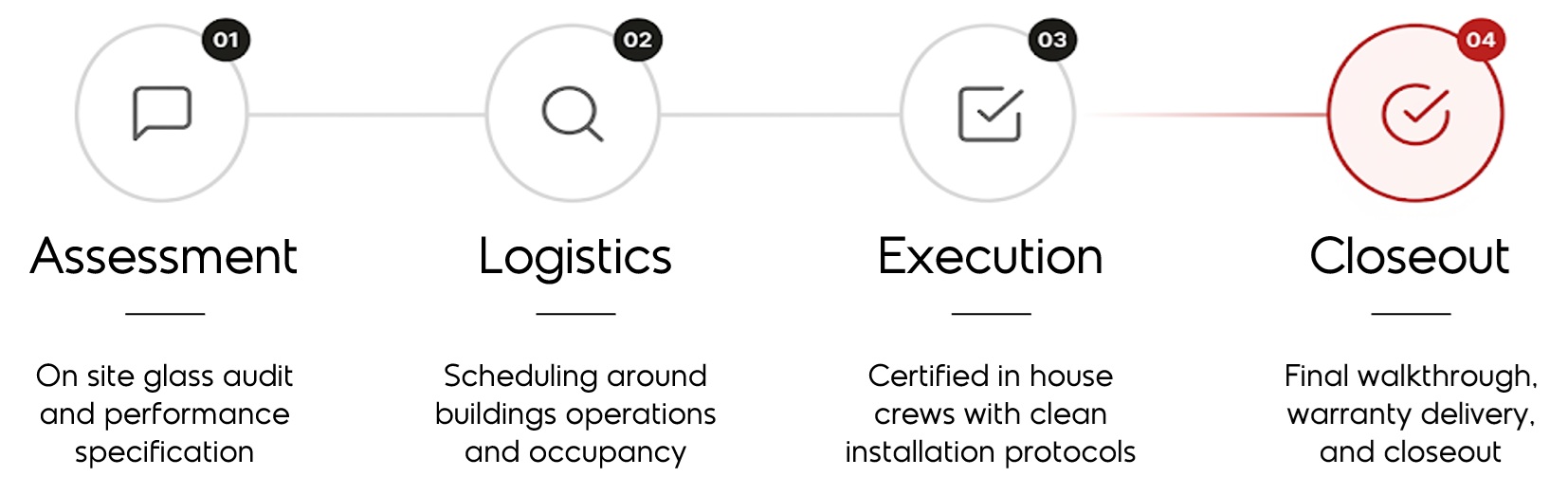
AAA Glass Tint installs bird strike prevention window film for commercial and institutional properties throughout Illinois, Southern Wisconsin, and Northwest Indiana. Every project begins with a site assessment — evaluating glass type, facade orientation, surrounding landscape, and pattern requirements — before any film is specified or scheduled.

Our crews are experienced in the access and coordination requirements of occupied commercial and institutional buildings. Most bird strike film projects are completed during normal business hours with no disruption to building operations. We do not subcontract our work, and every installation is performed by our own certified commercial window film installers.

Request a Bird Strike Film Assessment

×