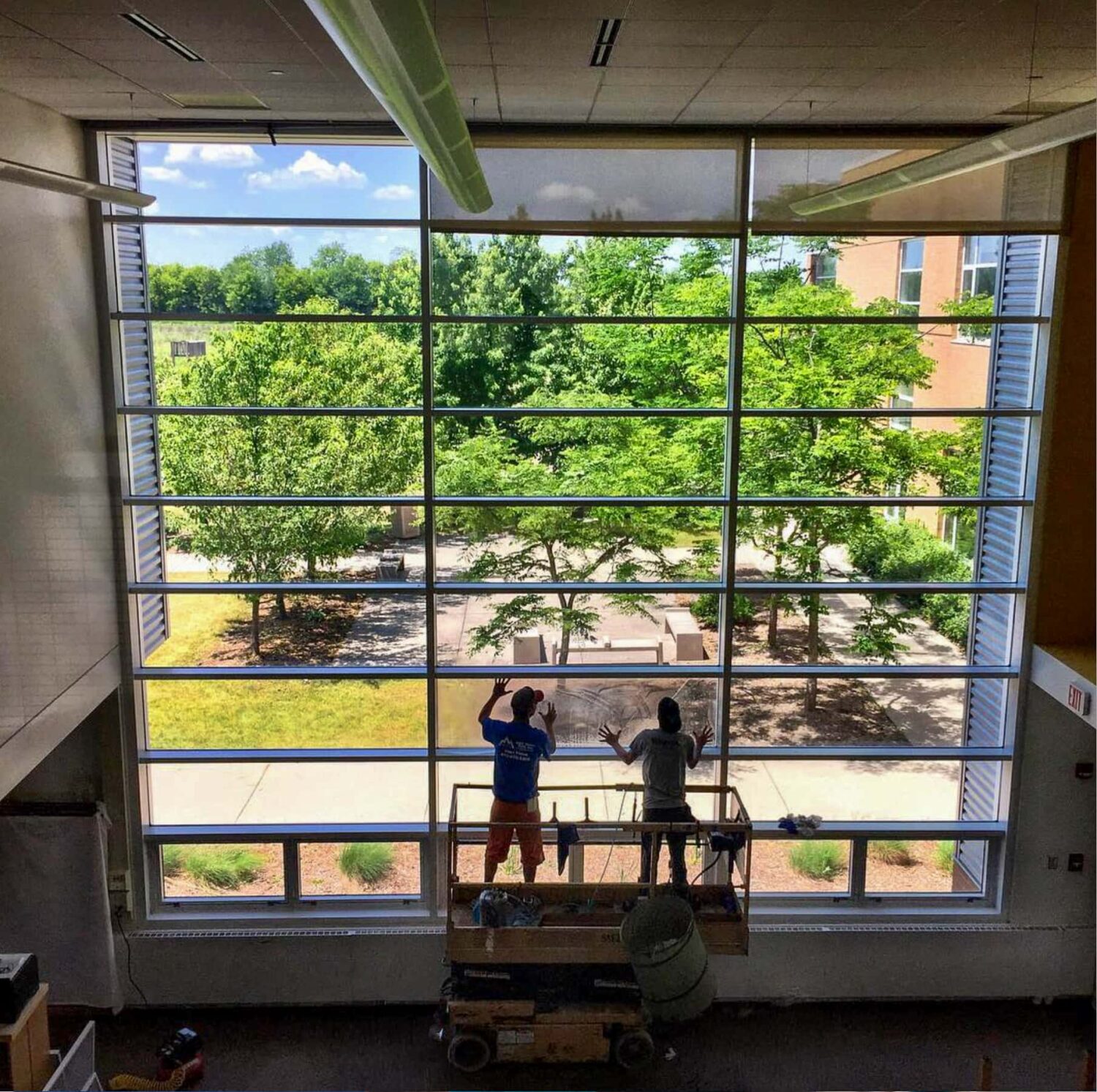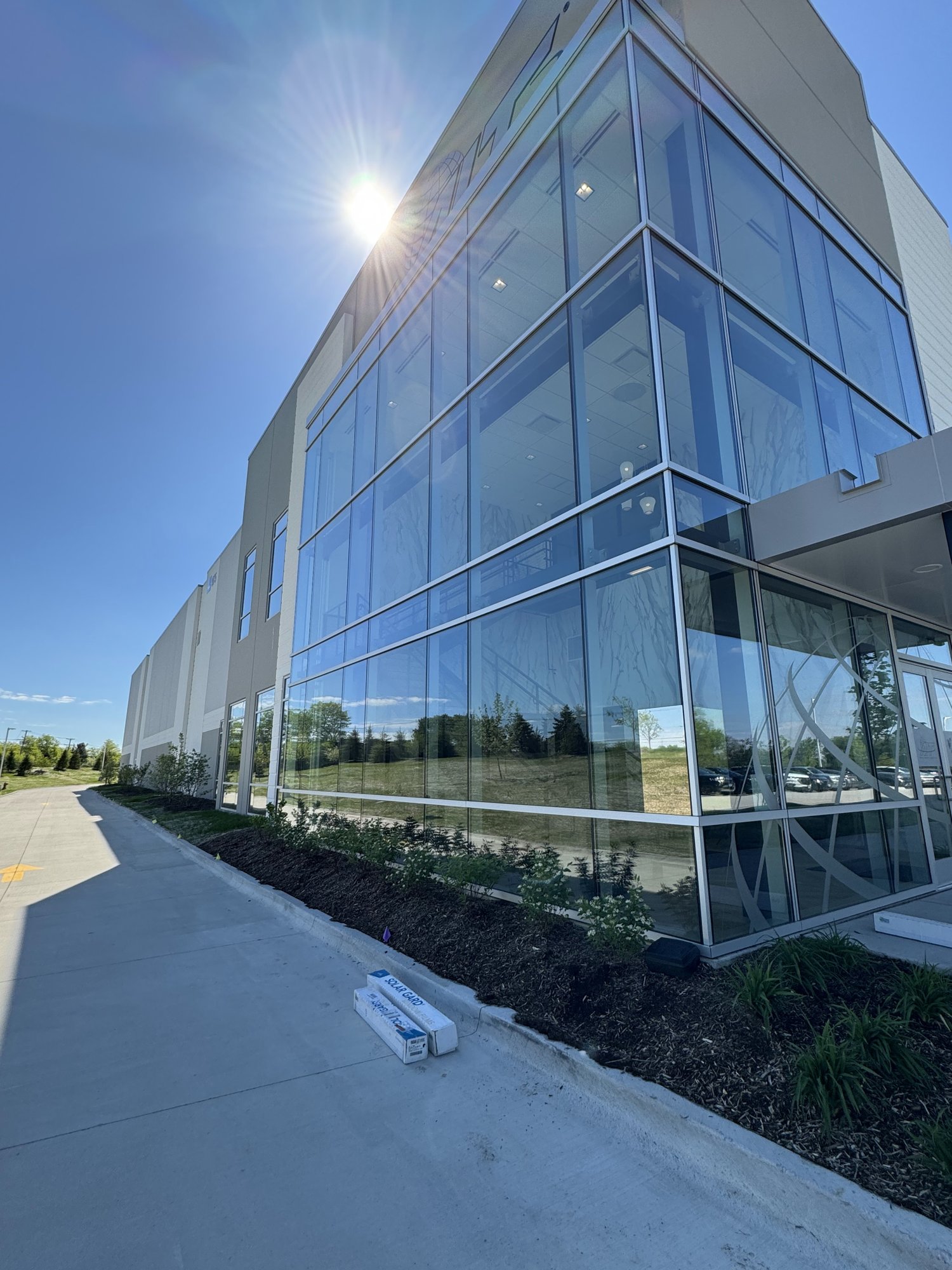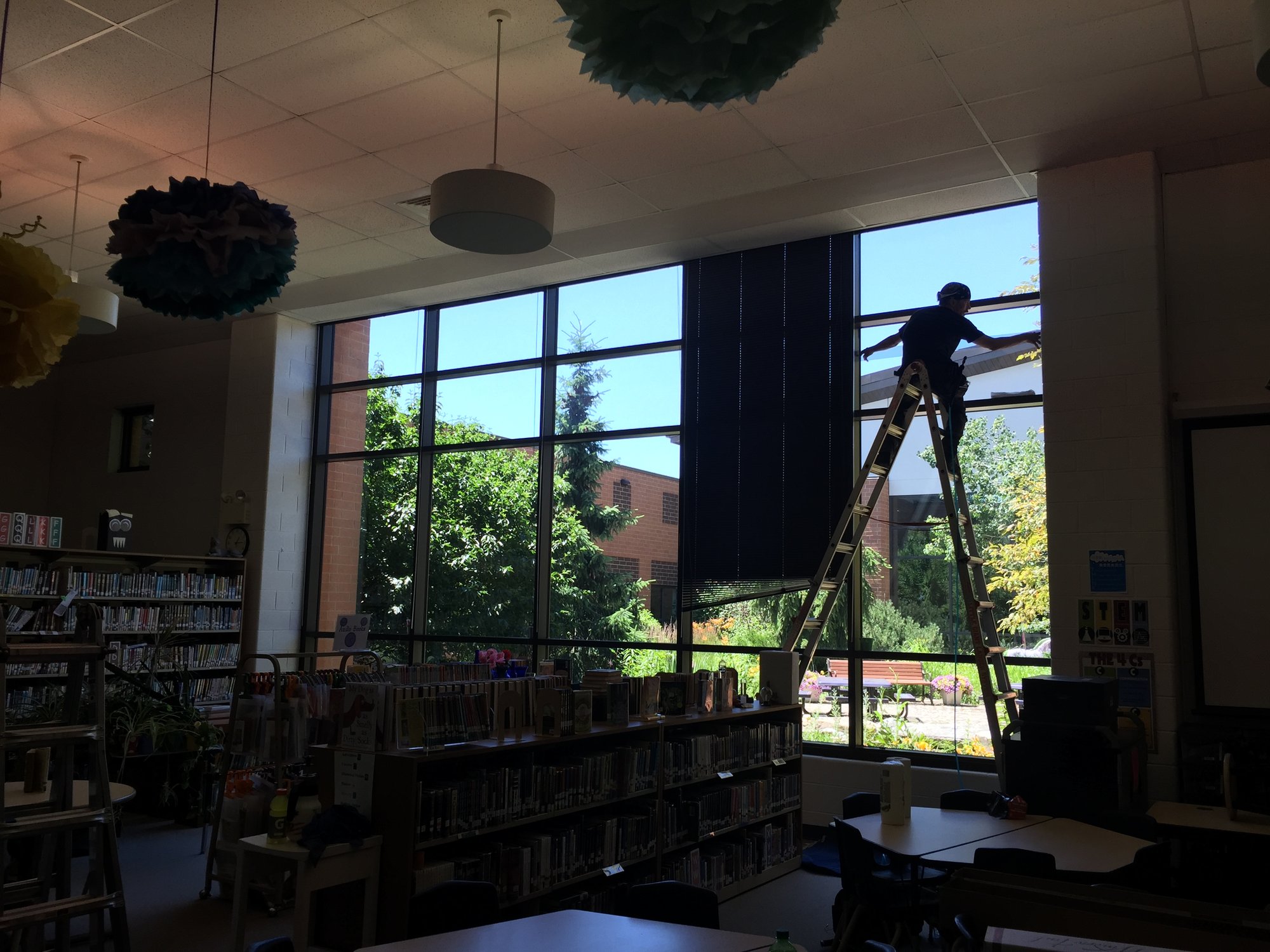
Solar Control Window Film for Commercial Buildings in Illinois

Commercial Solar Control Window Film That Reduces Heat and Glare

Solar control window film rejects part of the sun’s heat and cuts glare through the glass your building already has, without replacing your windows. We match the film to your glass, the direction it faces and how the space is used.

AAA Glass Tint is a commercial window film contractor serving commercial buildings throughout Northern Illinois since 1984. Every project starts with a free assessment of your glass.

Comparing film options? Our Window Film Performance Guide explains heat, glare, UV and Low-E terms.

Request a Free Solar Control Film Assessment

What Does Solar Control Window Film Do?

Solar control window film is a thin film applied to existing glass that reduces the amount of solar energy entering the building. It reduces solar heat gain and glare, and Solar Gard’s architectural films block more than 99 percent of ultraviolet light. It goes on the glass you already have, with no window replacement.

How much heat a film rejects depends on the film and the glass. On 1/4 inch clear glass, Solar Gard lists total solar energy rejected at 53 percent for Ecolux 70, a light, low-reflective interior film, and 77 percent for Silver AG 25 Low-E, a darker, reflective interior film. Exterior films can go higher: Sentinel Plus Silver 20 OSW lists 82 percent.

Films balance heat rejection, daylight and reflectivity in different ways. Some reject a good share of solar heat while keeping most of the daylight; darker or more reflective films fit where more glare reduction or a different exterior look is wanted. These are published ratings for the film on a given glass, not a prediction of how much a building’s energy bills will drop.

Solar control film mainly addresses summer heat and glare. If heat loss through the glass in winter is also a concern, Low-E window film works in both seasons.

Commercial Project Process

How a Commercial Window Film Project Works

Every commercial window film project starts with the existing glass, framing conditions, exposure level, and operational requirements of the building.

01

Glazing Inspection

Review existing glass type, frame condition, exposure, access points, and project goals.

02

Recommended Film Type

Evaluate glass type, orientation and goals, check the film against the manufacturer’s film to glass guide, and get manufacturer’s written approval when it is required.

03

Installation Coordination

Coordinate installation around occupied storefronts, schools, offices, or active facilities.

04

Completed Retrofit

Final walkthrough with you, and the film warranty registered by AAA Glass Tint when applicable.

What Does Solar Control Film Do for a Commercial Building?

Most solar control projects start with comfort and glare. Rooms on south and west glass overheat in the afternoon, people near the windows are uncomfortable, and screens wash out. Whether you manage an office building, a retail center, a healthcare facility or an industrial property, the film should be chosen for the building’s glass, its orientation and the specific comfort problem.

  • Reduces solar heat gain through the glass, which can lower temperatures near the windows
  • Can reduce the cooling load on the HVAC system
  • Reduces glare on screens and workstations
  • Evens out hot spots and temperature differences near the glass
  • Blocks more than 99 percent of ultraviolet light with Solar Gard architectural films, which greatly reduces fading of furnishings and merchandise, though no film stops fading completely
  • Goes on the existing glass, and the building can normally stay occupied

We do not promise an energy savings number. Actual results depend on the glass, the orientation, the HVAC system and how the building is operated. When a project calls for an estimate, we can provide energy modeling for the specific film and glass.

Which Solar Control Film Is Right for Your Building?

It depends on the glass, the direction it faces, how the space is used and how the building should look from outside. AAA Glass Tint has been a Solar Gard authorized dealer for more than 20 years, and we do not recommend one product for every project. The main choices:

  • Light, low-reflective films: keep the most daylight and change the building’s look the least, with moderate heat rejection. A good fit for offices and storefronts where views and daylight matter.
  • Neutral tone films: more heat and glare reduction with a darker, less mirrored appearance.
  • Reflective films: can provide substantial heat rejection and glare reduction, usually with a noticeably reflective look from outside in daylight. When the lights inside are brighter than outdoors, usually at night, people inside see stronger reflections on the glass and less of the view out. We explain why in Does Privacy Window Film Work at Night?
  • Exterior films: applied to the outside of the glass, for glass where an interior film is not approved or where the application calls for it. In our AIT Logistics case study, exterior film went on the north side because interior access was limited, and interior film went on the west side.

Every film has to be approved for the glass it goes on. Tinted, Low-E coated and insulated glass can each narrow the choice, and larger projects need the manufacturer’s written approval before installation. Every project starts with a free assessment of the glass type, orientation, shading and how the space is used before we recommend a film, and when appearance matters we can put samples on your glass first. For a replacement project, see our Oak Lawn solarium case study, where deteriorating film on 72 panels was replaced with Panorama Slate 10.

Solar Control Window Film Installation in Chicago and Northern Illinois

AAA Glass Tint installs solar control film throughout the Chicago metropolitan area and Northern Illinois, with select projects in Northwest Indiana, Southern Wisconsin and Southeast Michigan, for offices, schools, healthcare facilities, retail, government buildings and industrial properties.

Most solar control film goes on the inside surface of the existing glass; some applications call for an exterior-rated film on the outside. Both use a wet application, and crews work through the building in sections so it can normally stay occupied. While the mounting solution dries, the film can look slightly hazy or show small water spots, and cold or overcast weather makes that take longer. Solar Gard asks that new film not be cleaned for 30 days. We do not subcontract installation; our own crews do the work.

We register the applicable manufacturer’s film warranty for you and send the warranty information by email; coverage depends on the film, the glass and the installation. Solar control film has to be matched to the glass it goes on. Here is how thermal stress works and how we check for it.

The assessment is free. For typical project ranges and what moves the price, see what commercial window film costs. Common questions are answered in our commercial window film FAQ.

Chicago and Northern Illinois Commercial Window Film Specialists

Request a Free Commercial Assessment

How do I choose a commercial window film contractor?

Look at what each contractor is actually proposing, not just the price. A good bid names the exact film, confirms it is approved for your glass, says who will install it, explains the warranty and, for security film, how the film is attached to the frame. Film-to-glass compatibility matters because the wrong film on the wrong glass can risk thermal stress breakage; we explain that in Will Window Film Crack Your Glass? AAA Glass Tint installs with our own crews, provides the manufacturer warranty for the film installed, and is an Armorcoat Certified Partner for security film. For a full checklist, see How to Compare Commercial Window Film Bids.

Can window film prevent interior fading of merchandise and office furniture?

Window film can greatly reduce fading, but no film stops it completely. Architectural films from Solar Gard block more than 99 percent of ultraviolet light, a major contributor to fading. Visible light and heat also contribute, so darker or more heat-rejecting films reduce fading further. We can show you the fade reduction figure for the specific film and glass we recommend.

How can window film help commercial buildings in the Chicago climate?

Chicago buildings deal with summer solar heat gain and winter heat loss through the glass. Depending on the film and existing glass, solar control film can substantially reduce solar heat gain. For example, Solar Gard Sentinel Plus Silver 20 OSW lists up to 82% solar energy rejected on 1/4 inch clear glass. Low-E window film can also improve heat retention during colder weather. The result can be more even interior temperatures and fewer hot spots near the glass. We compare film with replacement windows in Low-E Window Film vs. Window Replacement.

How much does commercial window film cost?

As of October 2026, commercial window film projects can range from the low thousands of dollars to several hundred thousand dollars. The ranges overlap because price depends on much more than square footage, including the film and system, security attachment, access equipment, removal of existing film, prevailing wage and other labor or scheduling requirements. We explain what moves the price in What Commercial Window Film Costs, and What Drives the Price. For a number for your building, request a free estimate.

Will window film crack my glass or void my window warranty?

Proper film selection greatly reduces the risk of thermal stress breakage, but no installer can guarantee that glass will never break. Manufacturers publish film-to-glass guidance showing which films are approved for different glass types and when written approval is required. The film manufacturer's warranty may include glass breakage or seal failure coverage when its requirements are met. The original window manufacturer's warranty is separate, and aftermarket film may affect that warranty depending on the manufacturer's terms. We explain how compatibility and warranty coverage are checked in Will Window Film Crack Your Glass?

×