
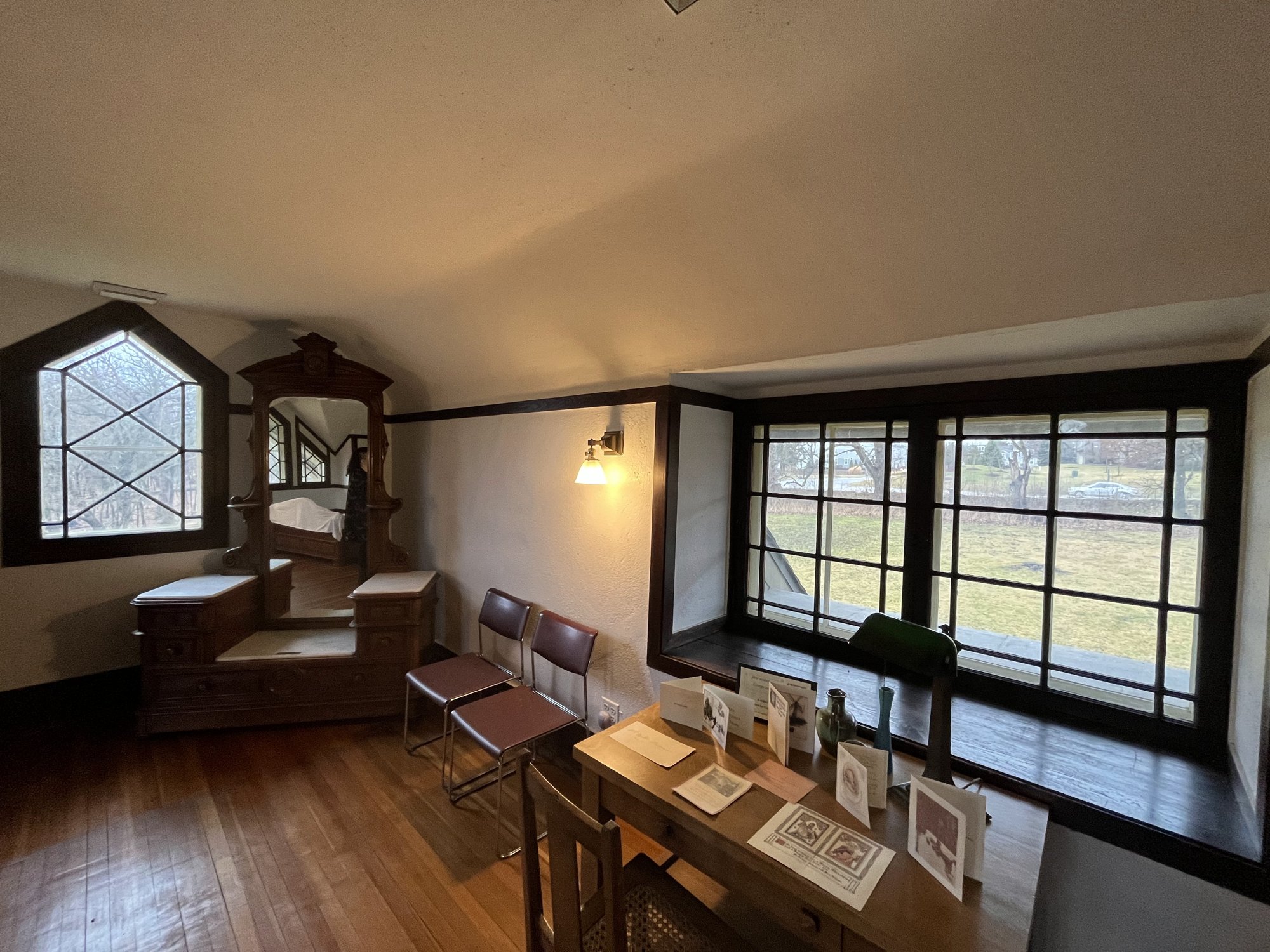
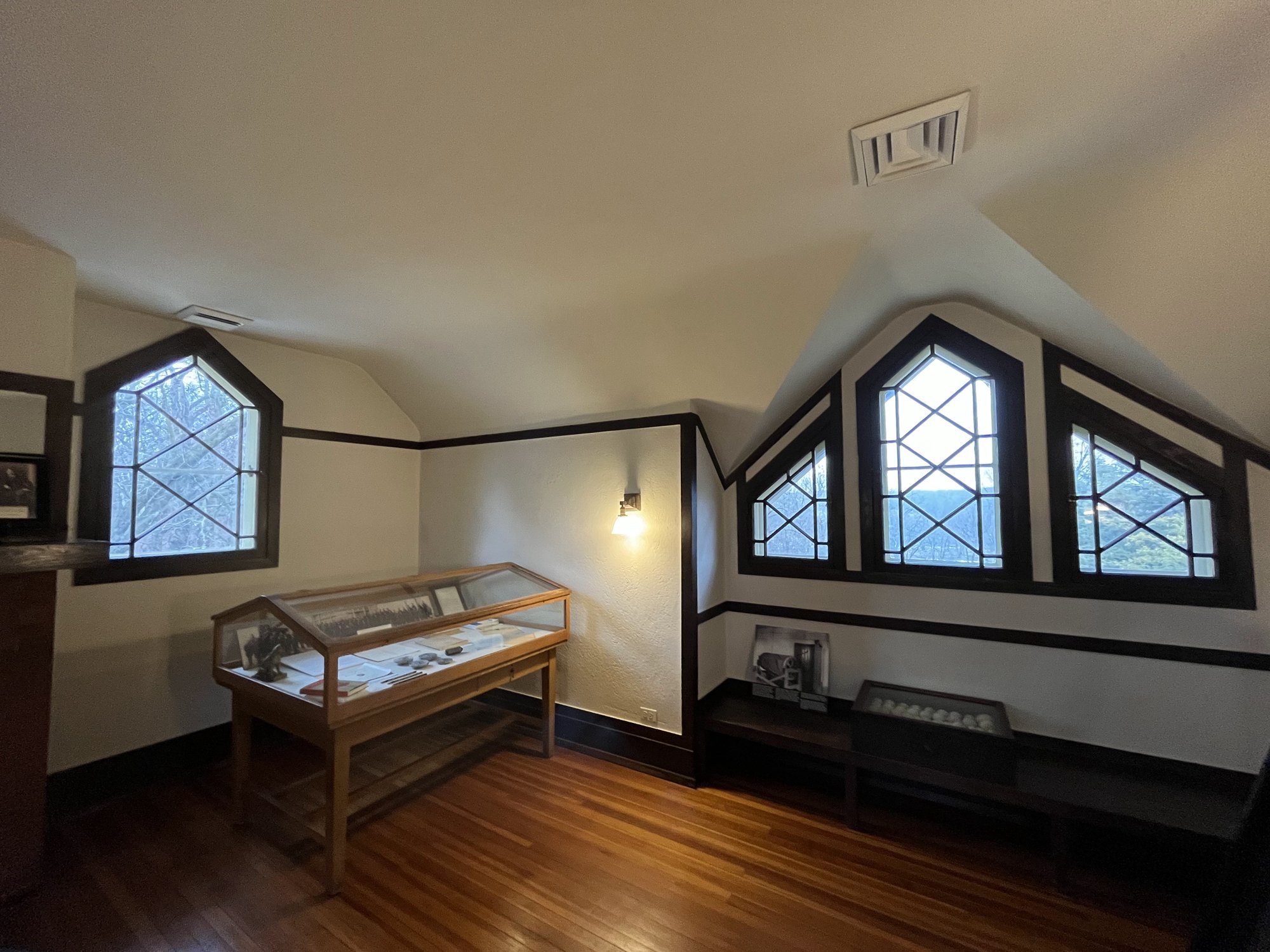
Fabyan Villa Museum UV Window Film, 2024

https://aaaglass.com/wp-content/uploads/2026/10/fabyan-villa-uv-film-1.jpg
https://aaaglass.com/wp-content/uploads/2026/10/fabyan-villa-uv-film-2.jpg
https://aaaglass.com/wp-content/uploads/2026/10/fabyan-villa-uv-film-6.jpg
https://aaaglass.com/wp-content/uploads/2026/10/fabyan-villa-uv-film-3.jpg
https://aaaglass.com/wp-content/uploads/2026/10/fabyan-villa-uv-film-4.jpg
https://aaaglass.com/wp-content/uploads/2026/10/fabyan-villa-uv-film-5.jpg
Location: Geneva, Illinois

The Challenge

Project at a glance

  • Client: Fabyan Villa Museum, Geneva, Illinois, working with Preservation Partners of the Fox Valley
  • Building: the Fabyan family’s villa, remodeled by Frank Lloyd Wright in 1907 and listed on the National Register of Historic Places
  • Year: 2024
  • Goal: protect the house and its contents from ultraviolet light without changing the building’s appearance
  • Film: Solar Gard clear UV film
  • Glass treated: 331 window panels across nine rooms

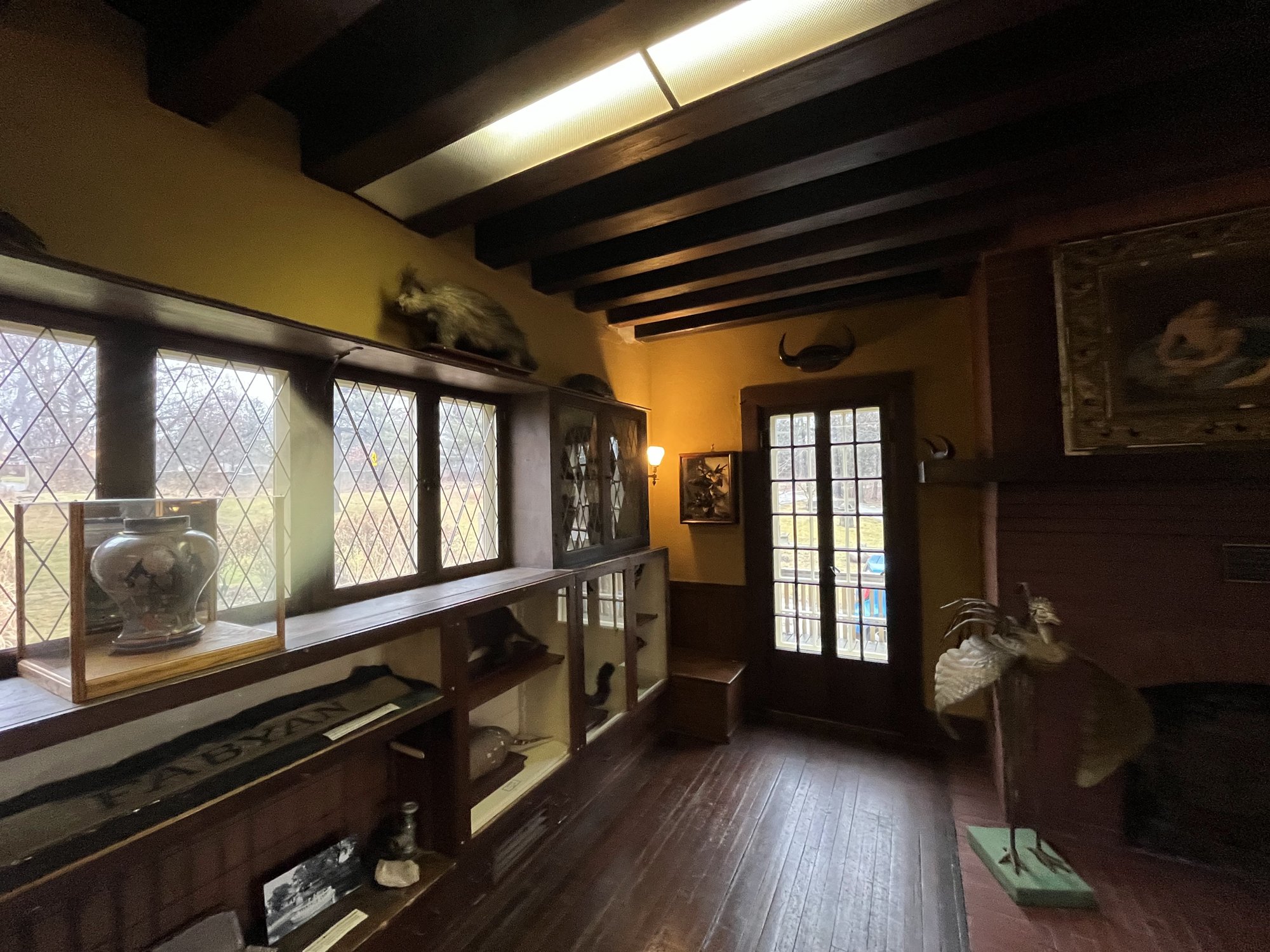
Fabyan Villa sits in the Fabyan West Forest Preserve on the Fox River in Geneva. Colonel George and Nelle Fabyan lived there from 1905 to 1939 and hired Frank Lloyd Wright in 1907 to enlarge and remodel the original farmhouse. Today Preservation Partners of the Fox Valley runs the house as a museum under a contract with the Forest Preserve District of Kane County. It holds original furniture and the Fabyans’ collections of Asian artifacts and natural history specimens.

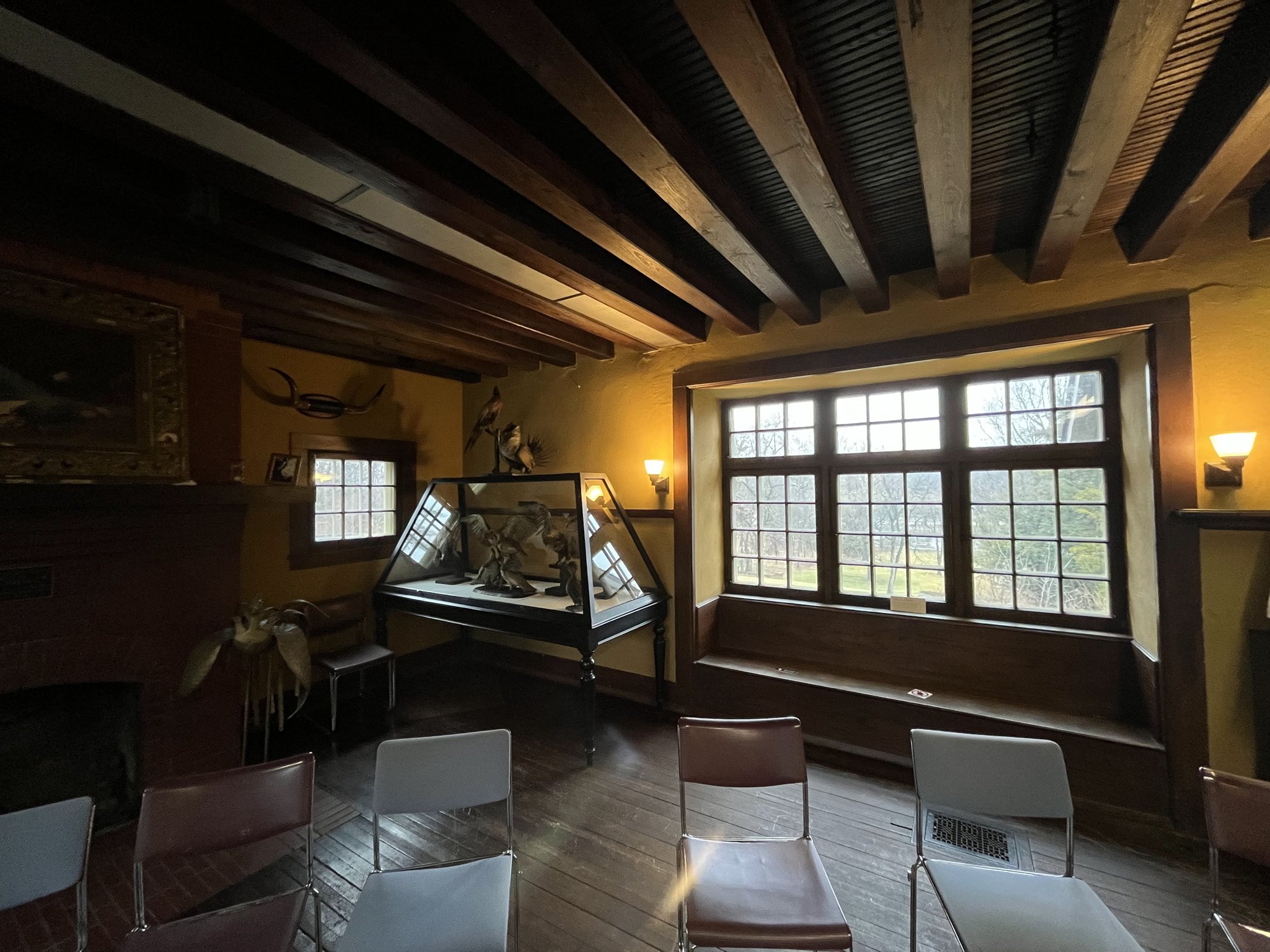
Sunlight through the villa’s many small window panes brings ultraviolet light into rooms filled with those collections. The museum wanted that protection added in a way visitors would not notice: the windows had to look the same from inside and out.

The Solution

Working with Preservation Partners of the Fox Valley, AAA Glass Tint installed clear Solar Gard UV film on 331 window panels through the house:

  • Foyer, living room, butler’s pantry and kitchen
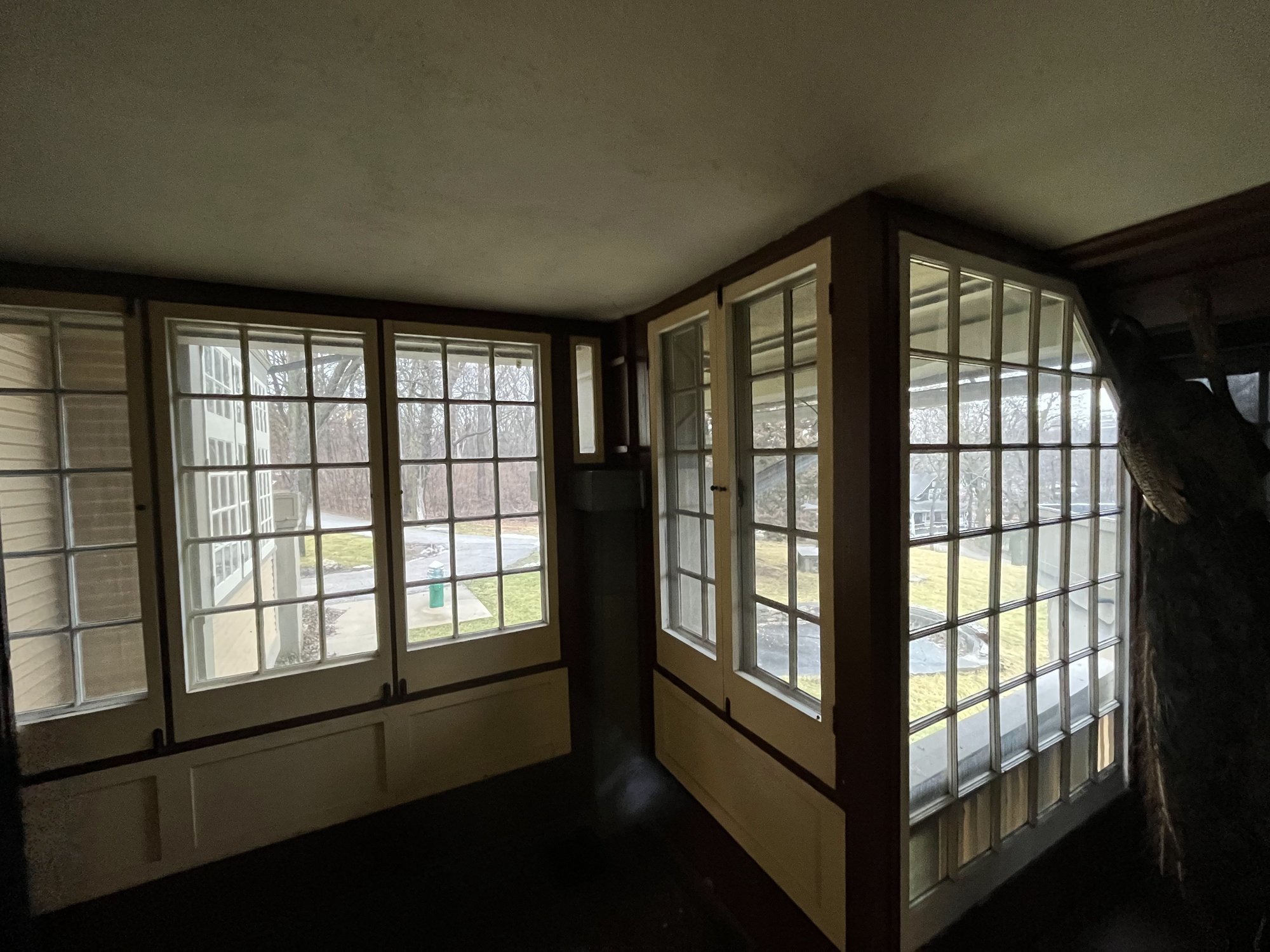
  • Side porch
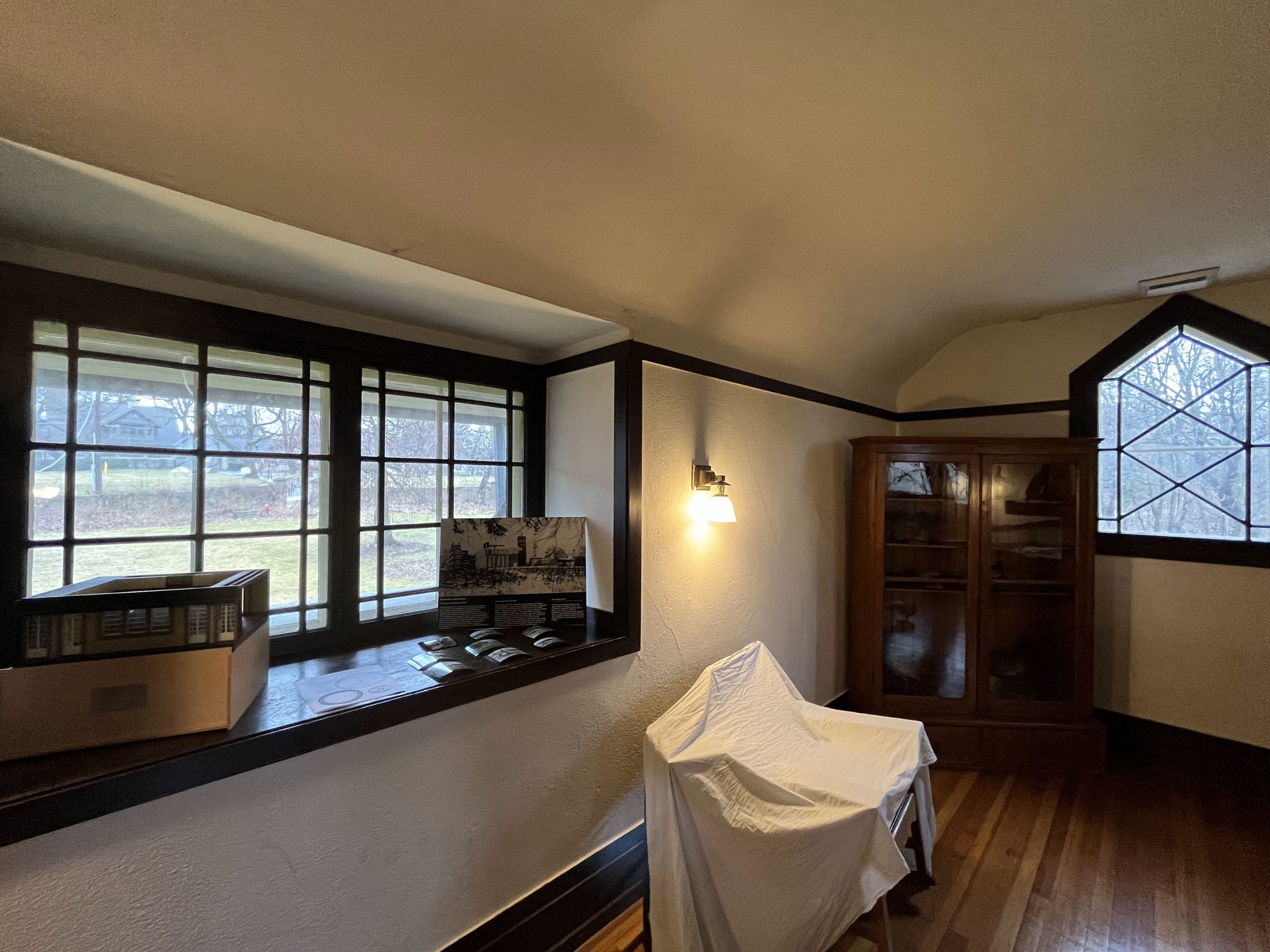
  • Nelle’s Room, Belle’s Room and Colonel Fabyan’s room
  • Second floor guest room

A clear film was the right choice for a historic house. It does not tint or mirror the glass, so the windows keep their original look and the rooms keep their daylight. Solar Gard architectural films block more than 99 percent of ultraviolet light. Each small pane was cut and fitted individually, and, like any film, the product was checked against the manufacturer’s film to glass guidance before installation.

We do not subcontract installation; our own crews do the work.

The Result

The clear Solar Gard film reduces the ultraviolet light reaching the villa’s rooms while the historic windows look as they did before: no tint, no mirror finish and no change to their appearance. UV protection helps reduce the risk of fading to the collections, furnishings and interior finishes, although visible light and heat also contribute, so the film works alongside the museum’s own care for its collections.

Conclusion

Questions about this project

Can window film go on a historic building without changing how it looks? Yes, with a clear film. At Fabyan Villa the film blocks ultraviolet light while the windows keep their original appearance from inside and out.

Does UV window film stop fading? It greatly reduces it but cannot stop it completely. Visible light and heat also cause fading. We explain the causes in our window film performance terms guide.

Can film be installed on small divided panes? Yes. Each pane is cut and fitted on its own; at Fabyan Villa that meant 331 panels across nine rooms.

Is UV film installed inside or outside? Clear UV film like this goes on the room side of the existing glass, with no window replacement.

For another collection protected with UV film, see the Chicago Bears Halas Hall case study. See our solar control window film service, or request a free assessment.

Sources: AAA Glass Tint project records, 2024; Preservation Partners of the Fox Valley, Fabyan Villa Museum, reviewed October 13, 2026. Reviewed by David Johnson, owner of AAA Glass Tint. Last updated October 13, 2026.

×