Commercial Coordination FAQ
Questions Property Managers & General Contractors Commonly Ask
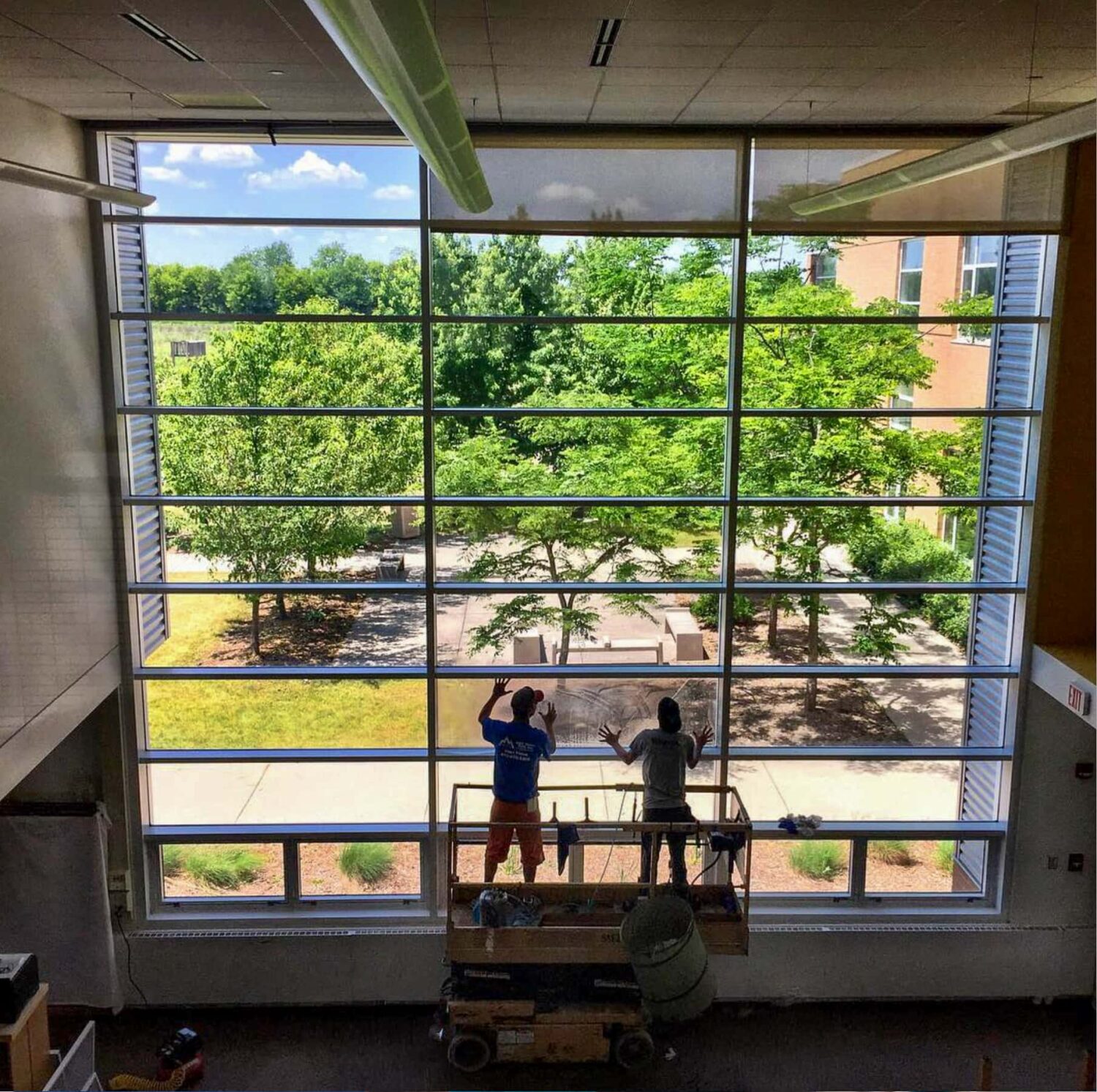
Commercial retrofit window film projects often involve occupied spaces, scheduling coordination, tenant considerations and project documentation requirements.
Can installations be done after hours?
Yes. After-hours and weekend installation is available when a project calls for it, at additional cost. Many projects are done during business hours instead, working through the building in sections while it stays occupied.
Do you coordinate phased commercial installations?
Yes. Occupied projects are often phased by floor, tenant space or building to reduce disruption, keep access open and work around operational schedules.
Can security film be installed on existing storefront glass?
In many cases, yes, after we check the glass type and the framing. The system we install most is 8 mil clear Armorcoat with a four-sided DOWSIL 995 wet glaze attachment to the frame. We explain why the attachment matters in Security Film Attachment Systems Explained.
Do you provide certificates of insurance?
Yes. We provide certificates of insurance, additional insured forms and W-9s, along with site or lift access paperwork, during project planning.
Do you work on prevailing wage projects?
Yes. We file certified payroll when it is required on prevailing wage public work. The Illinois Department of Labor publishes rates by county and trade, so the same project can cost more in one county than another. We cover this in what commercial window film costs.
Do you handle submittals and manufacturer approvals?
Yes. We provide manufacturer data sheets and specifications, and we submit the film to glass application when the manufacturer requires written approval, which Solar Gard requires for some glass types and for every installation over 2,500 square feet. See Will Window Film Crack Your Glass?
Do you subcontract installation crews?
No. We do not subcontract installation; our own crews do the work.
What types of commercial buildings do you work in?
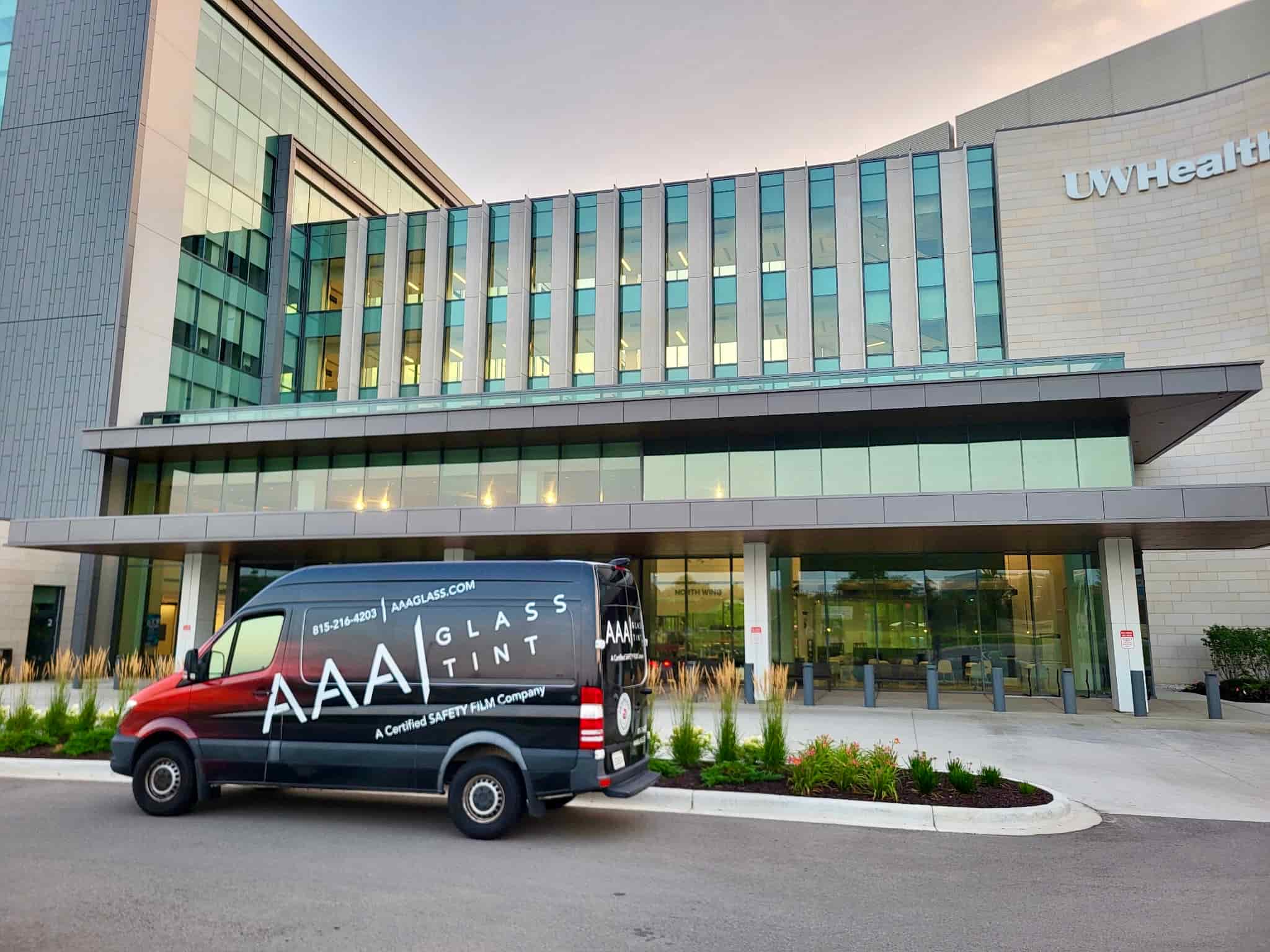
Schools, offices, retail storefronts, municipal and federal buildings, healthcare facilities, houses of worship, plants and warehouses, and occupied multi-tenant properties, throughout the Chicago metropolitan area and Northern Illinois, with select projects in Northwest Indiana, Southern Wisconsin and Southeast Michigan.