Solar and Low-E
How Much Energy Does Commercial Window Film Save?
It depends on the glass, the building and the climate, so estimate it for your building instead of trusting a headline percentage. A GSA study modeled about 24 percent HVAC savings in a sunny Chicago perimeter zone for Low-E film on single pane clear glass; whole-building savings were estimated at a third of that or more.
It depends on the glass, the building and the climate, and the honest way to find out is to estimate it for your building rather than trust a headline percentage. In a federal study, the General Services Administration modeled about 24 percent HVAC savings in a sunny perimeter zone in Chicago from a Low-E film on single pane clear glass, and it estimated whole-building savings at no less than a third of the perimeter figure. On double pane glass, and with solar control film in a heating-dominated climate like Chicago’s, savings can be much smaller.
Key points
- “Up to” figures describe the best case: typically single pane clear glass, a sunny exposure and a warm climate, measured in the rooms next to the windows, not the whole building.
- The GSA modeled reflective solar control film at 29 percent HVAC savings on single pane clear glass in warmer climates, but found solar control retrofits generally not cost-effective on double pane bronze glass in most climates.
- In a mixed climate, a measured GSA test found a solar control film’s 8 percent cooling savings offset by higher heating use in winter.
- Chicago has roughly six times as many heating degree days as cooling degree days, so winter heat loss through glass matters as much as summer sun.
- On single pane clear glass, a Low-E film nearly doubles the insulating performance in winter, according to the GSA. Solar Gard rates Ecolux 70 at 41 percent less winter heat loss through 1/4 inch clear glass.
- For that kind of Low-E film, the GSA’s modeled HVAC savings ranged from 22 percent in Minneapolis to 38 percent in Phoenix, with Chicago at 24 percent.
- A real estimate starts with the existing glass and the film’s rated performance on it, then uses an energy model or before and after utility data.
- We found no standard ComEd or Nicor Gas incentive for window film. Their custom programs pay on calculated savings and require approval before the work starts.
Why do “up to 30 percent” claims mislead?
Because the number usually comes from the best case and is quoted as if it applied everywhere. Three things get lost:
- Which glass. Film saves the most on single pane clear glass. The GSA’s solar control study found its largest modeled savings, 29 percent, on single pane clear glass in warmer climates, and found retrofits generally not cost-effective on double pane bronze glass in most climates.
- Which space. The GSA’s studies report savings in the perimeter zone, the rooms beside the windows. The GSA’s Low-E film study estimated whole-building savings at no less than a third of the perimeter savings, so a 24 percent perimeter figure could mean a much smaller share of the building’s HVAC energy.
- Savings of what. A percentage of HVAC energy is not a percentage of the utility bill, which also pays for lighting, equipment and everything else.
None of this means film does not save energy. It means a single percentage cannot tell you what it will save in your building. We do not publish savings percentages for our own projects, because we have no measured before and after data to support one.
What does Chicago’s weather mean for window film?
That winter matters as much as summer, and usually more. The National Weather Service’s 1991 to 2020 normals for Chicago list 5,974 heating degree days a year against 1,003 cooling degree days, roughly six to one. Rockford, in Northern Illinois, is colder still: 6,497 heating degree days against 838 cooling. January averages 25.2 degrees Fahrenheit in Chicago, and July averages 75.4.
Heating degree days measure how cold the year is, and cooling degree days how hot. In degree day terms, the heating season here is about six times the size of the cooling season. The GSA places Chicago in climate zone 5A. That changes how film should be judged:
- Solar control film keeps out the sun’s heat. That cuts cooling in summer, but it also keeps out free solar heat in winter. In the GSA’s St. Louis test, an absorbing solar control film saved 8 percent of cooling energy, and that saving was offset by more heating energy in the winter months. The GSA’s advice was to model a building’s annual heating, cooling and daylighting before installing film.
- Low-E film works in both seasons. It rejects solar heat in summer, and its low-emissivity coating reflects heat back into the room in winter.
Summer still counts. Sun on west and south facing glass can still make rooms uncomfortably hot in a Chicago summer, so solar control film still has a place here. The point is to weigh both seasons, not just one.
How much does Low-E film save in winter?
On single pane glass, a good deal of heat loss through the glass, though less in energy terms than its summer savings. The figures:
- Heat loss through the glass: in the GSA’s Low-E film study, 6 mm single clear glass was rated at a winter U-factor of 1.025, and the same glass with a 35 percent visible light Low-E film at 0.574. The GSA describes that as nearly doubling the insulating performance of a single pane window, though the filmed single pane still transfers about 23 percent more heat than double glazing without Low-E.
- Solar Gard’s ratings: Ecolux 70 Low-E film is rated at a winter U-factor of 0.60 on 1/4 inch clear glass, 41 percent less winter heat loss than the same glass without film. On Solar Gard’s double glass rating, it is 29 percent less. That is heat loss through the glass, not a 41 percent cut in a heating bill.
- Comfort near the window: the GSA reports that the film makes the window feel warmer from inside in winter (a higher apparent radiant temperature) and provides a more comfortable environment for people near the window in both summer and winter. Actual results depend on the glass, the film and the building.
- Energy, heating versus cooling: across the climates the GSA modeled, heating savings (about 10 percent) were smaller than cooling savings (30 to 40 percent). The film also cuts some winter sun: the GSA rated the 35 percent film at a solar heat gain coefficient of 0.261.
Put together, the GSA modeled these total HVAC savings in a sunny perimeter zone for that Low-E film on single pane clear glass:
| City (climate zone) | Modeled HVAC savings, perimeter zone |
|---|---|
| Phoenix (2B) | 38 percent |
| Dallas (2A) | 33 percent |
| Washington, D.C. (4A) | 26 percent |
| Chicago (5A) | 24 percent |
| Minneapolis (6A) | 22 percent |
GSA Green Proving Ground, Low-E Window Film (GPG-032, February 2017), single pane clear glass. Whole-building savings estimated at no less than a third of these figures.
Savings held up in cold climates, but they were smallest in the coldest city and largest in the hot, sunny ones. One caution for winter: the GSA notes that condensation and drafts off the window may increase with a room-facing Low-E surface. We cover condensation, and how Low-E film compares with new windows, in Low-E Window Film vs. Window Replacement.
What determines how much a building will save?
The GSA studies point to the same factors we look at on site:
- The existing glass: single pane clear glass has the most to gain; double pane, tinted and Low-E glass already do part of the job.
- How much glass, and which way it faces: large areas of glass facing south, east or west without outside shading gain the most.
- The film: the GSA found spectrally selective reflective films generally outperformed other solar control films, and Low-E films add winter savings.
- The climate: hot, sunny climates save the most; in a heating-dominated climate, the winter effect matters as much as the summer one.
- The building: its HVAC system, its hours, and how the rooms beside the windows are used.
The film’s own ratings are the starting point. Solar Gard publishes visible light transmission, solar heat gain coefficient, U-factor and total solar energy rejected for each film on named glass types, calculated with NFRC methodology. We explain each rating in our window film performance terms guide. A rating on 1/4 inch clear glass does not describe the same film on your Low-E glass, so the ratings have to match the glass you actually have.
How do you estimate savings for your building?
There are two reliable ways, and both start with knowing the glass.
- Identify the existing glass. Single or double pane, clear or tinted, and whether it has a Low-E coating and on which surface. We check this on every survey; see How Do Low-E Coatings Affect Window Film?
- Get the film’s ratings on that glass. The solar heat gain coefficient and U-factor before and after film are what an energy model needs.
- Model the building, or measure it. An energy engineer can run a whole-building energy model with the before and after ratings, the climate and the building’s use. The GSA used this kind of modeling in its studies and recommends it before installing film. The alternative is to compare utility data before and after installation, adjusted for weather, which only works when little else in the building has changed.
We work with customers’ energy modeling and utility data when a project calls for it. Comfort is a separate question from energy; we cover it in Can Window Film Fix Hot Spots and Glare?
Are there ComEd or Nicor Gas incentives for window film?
We found no standard incentive for window film in either program. Both offer custom incentives for projects their standard incentives do not cover, and both work the same basic way:
- ComEd: its 2026 custom incentive application bases the incentive on actual kilowatt hours saved, has savings calculated with industry-accepted engineering methods, may require measurement and verification, and requires a reservation before equipment is purchased. Its 2026 standard incentive application lists no window or window film measures.
- Nicor Gas: its 2026 custom incentive application bases the incentive on calculated natural gas savings, sets no minimum annual therm savings, requires program approval before the project advances, and caps the incentive at 35 percent of project cost or $350,000, whichever is less.
Neither application mentions window film, and program terms change every year. A solar control film that raises winter heating use would not reduce gas use. If an incentive matters to your project, ask your utility account manager or energy consultant before signing anything, because both programs void eligibility for work started before approval.
What is the next step?
Start with the glass and the goal. If energy savings are the main reason for the project, bring in an energy engineer or your utility’s program early, and we will supply the film ratings for your glass. If comfort, glare or fading is driving it, have the glass looked at in place and see samples on it. We do not subcontract installation; our own crews do the work. See our solar control window film service, the Clear Channel Outdoor Low-E case study, or request a free assessment.
Sources
- U.S. General Services Administration, Green Proving Ground, Low-E Window Film (GPG-032, February 2017).
- U.S. General Services Administration, Green Proving Ground, Applied Solar-Control Films Recommended for Single-Pane Clear Windows (GPG-017, January 2015).
- National Weather Service Chicago, Monthly and Yearly Climate Normals, Chicago and Rockford (1991 to 2020), reviewed October 18, 2026.
- D. Charlie Curcija, Lawrence Berkeley National Laboratory, for the GSA Green Proving Ground, Low-e Applied Film Window Retrofit for Insulation and Solar Control (full report, February 2017), Table 2 and Conclusions.
- Solar Gard (Saint-Gobain), Ecolux 70 product sheet (PDF0314ECX70 04/13), interior application.
- ComEd Energy Efficiency Program, Custom Incentives Application, January 1 to December 31, 2026, reviewed October 18, 2026.
- ComEd Energy Efficiency Program, Standard Incentives Application, January 1 to December 31, 2026, reviewed October 18, 2026.
- Nicor Gas Energy Efficiency Program, Custom Incentive Final Application, 2026 program year, reviewed October 18, 2026.
- Program terms change each year. Confirm current eligibility with ComEd or Nicor Gas before starting a project.
Related resources
Solar and Low-E
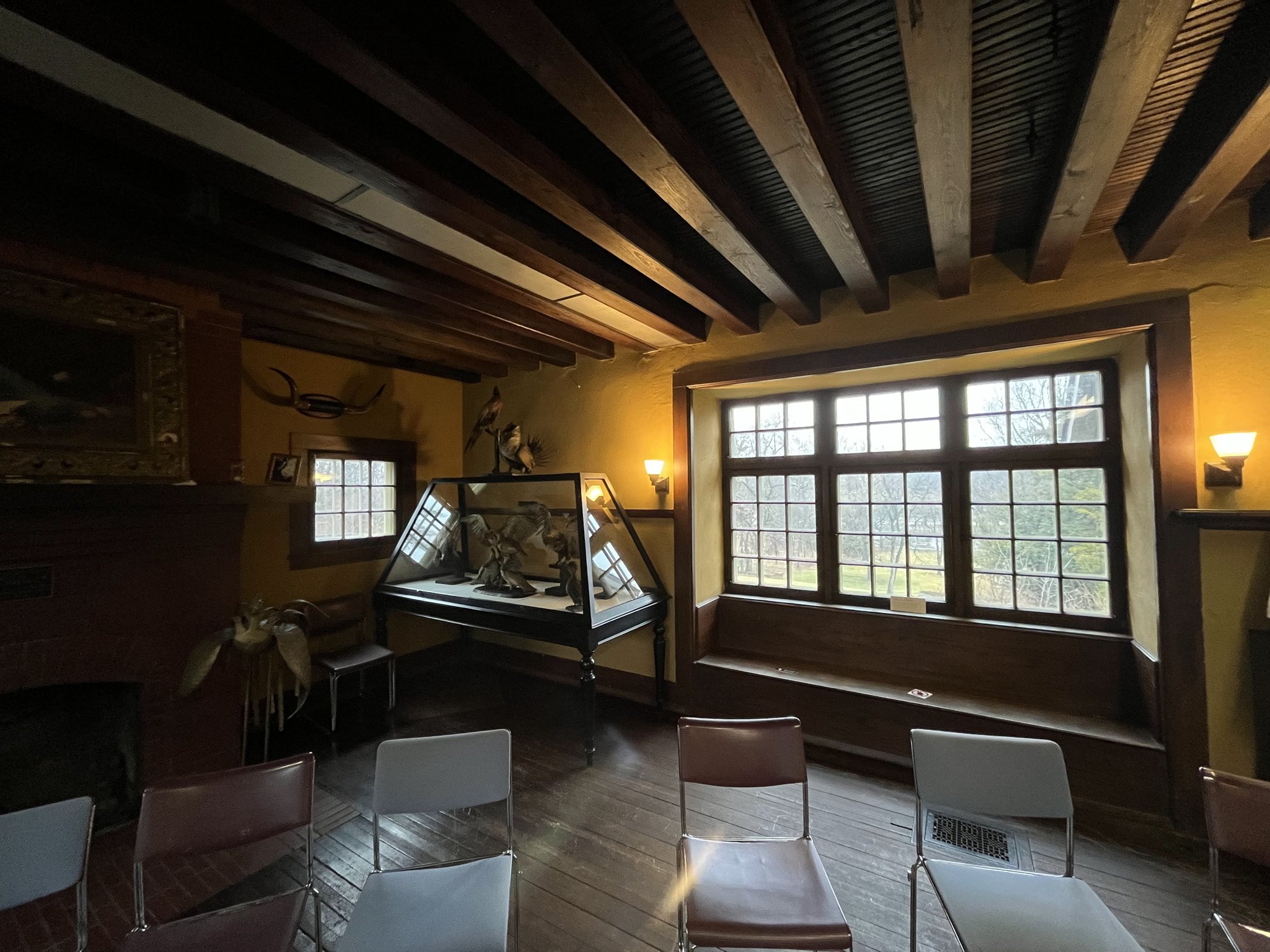
How Do You Protect Museum Collections and Historic Interiors From Sunlight?
How window film protects collections and historic interiors from sunlight, the ultraviolet and light levels conservators work to, and why a clear UV film slows fading but cannot stop it.
Read Article: How Do You Protect Museum Collections and Historic Interiors From Sunlight?
Solar and Low-E
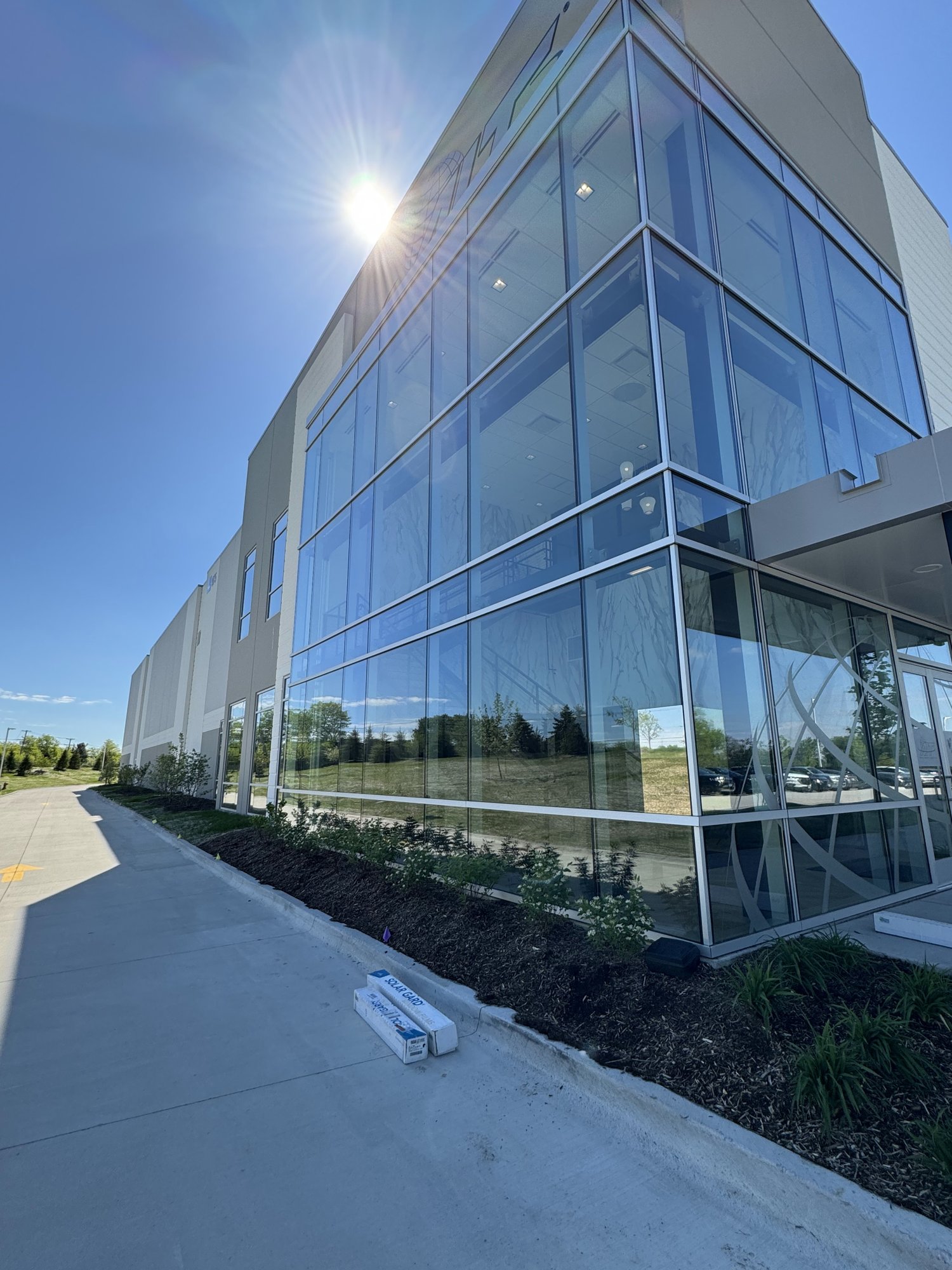
Can Window Film Fix Hot Spots and Glare?
How solar control film fixes hot spots and glare, why a light film cuts heat but little glare, when exterior film rejects more heat, and how to test samples on your own glass.
Solar and Low-E
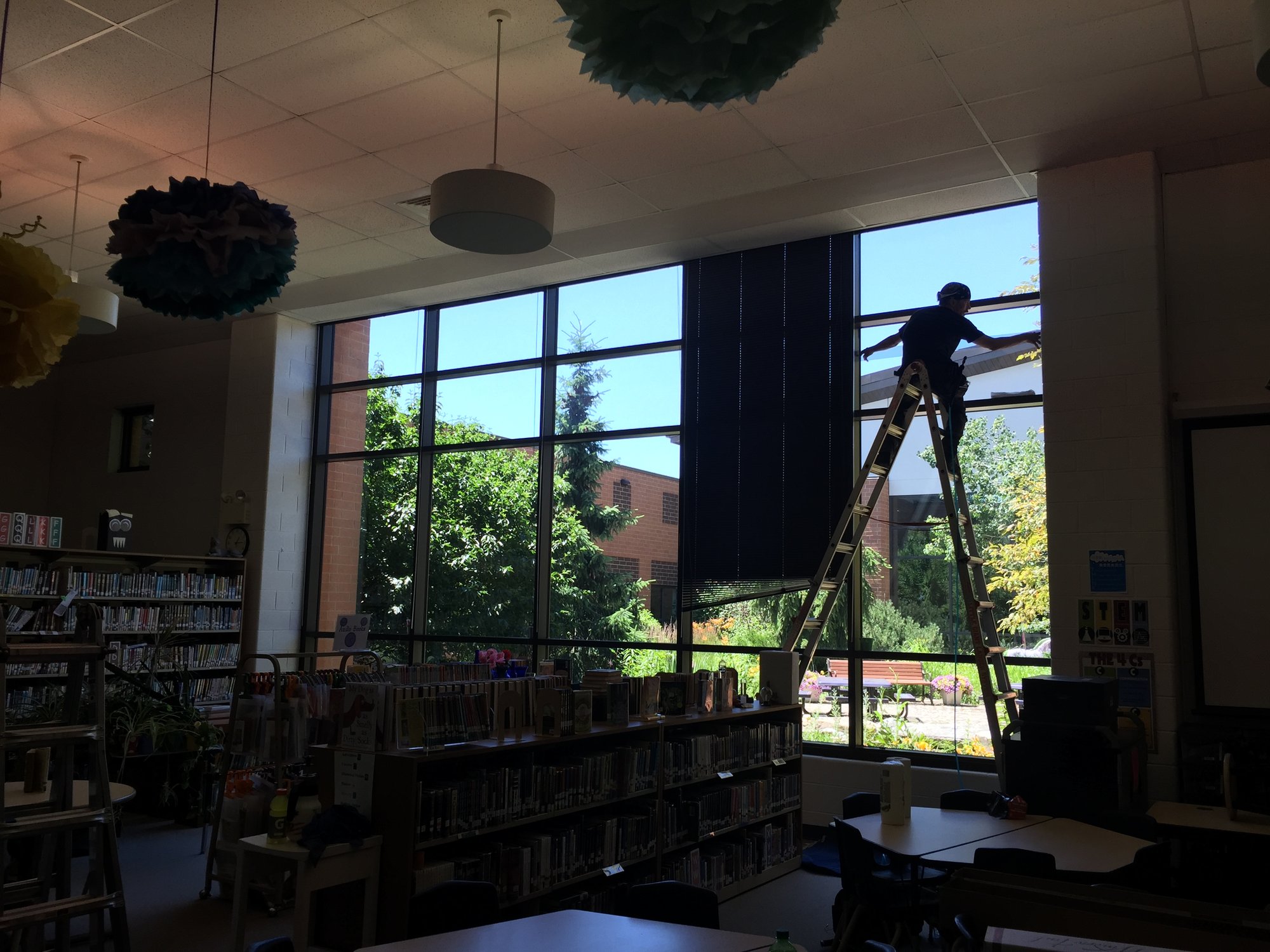
Low-E Window Film vs. Window Replacement
Low-E window film improves sound windows at a fraction of the cost and disruption of replacement. When it makes sense, when it does not, and what the warranties cover.
Talk to a commercial window film contractor
AAA Glass Tint has served the commercial window film market since 1984. We assess the glass, the frames and the openings before recommending anything, and we install our own work.