
Security and Safety
What Is Anti-Graffiti Window Film, and When Is It Worth It?
Anti-graffiti window film is a clear, replaceable layer over glass that gets vandalized. Scratches, etching, paint and marker land on the film, which is peeled off and replaced instead of the glass. It suits storefronts, schools and public buildings where vandalism repeats. It is not security film.
Anti-graffiti window film is a clear, replaceable layer applied over glass that gets vandalized. When someone scratches, etches, paints or marks the glass, the damage lands on the film, and the film is peeled off and replaced instead of the glass. It is worth it where vandalism keeps coming back, such as storefronts, schools and public buildings. It is designed to protect glass surfaces from vandalism. It is not a substitute for a properly specified security window film system intended to retain broken glass and delay forced entry.
Key points
- Anti-graffiti film is sacrificial. 3M describes its films as a sacrificial, removable layer that protects glass from scratches, abrasion and acid etching. Solar Gard says Graffitigard protects surfaces from paint, key scratches, marking and acid etching.
- There is no fixed replacement schedule. The film is replaced when it is damaged. In our experience removing damaged anti-graffiti film, the film took the damage while the glass underneath stayed protected.
- Clear film will not hide etching or scratches already in the glass.
- Warranties are short and cover defects in the film, not vandalism: 3M lists 1 year for its anti-graffiti films; Solar Gard lists 3 years for commercial Graffitigard.
- Anti-graffiti film is not security film. For glass that needs to resist a break-in, see security film with an attachment system.
What does anti-graffiti film protect against?
Damage to the surface of the glass. That includes spray paint and markers, scratches from keys, rocks and other tools, and acid etching, where a vandal uses an etching cream or acid to leave a permanent frosted mark. On bare glass, deep scratches and acid etching are often permanent, and the usual fix is new glass. On filmed glass, the damage is in the film.
3M’s data sheets describe its anti-graffiti films as a sacrificial, removable layer that helps protect glass from vandalism, graffiti, etching, scratches and abrasion. Solar Gard describes Graffitigard as a sacrificial barrier that protects surfaces from paint, key scratches, marking and acid etching.
How does sacrificial film work?
The film goes on the side of the glass that gets vandalized, usually the outside of a storefront or entrance, wherever vandals can reach it. It uses an adhesive made to come off cleanly with the film. 3M says its film does not chemically bond to the glass and is easily removed when it needs replacing, and Solar Gard lists Graffitigard as leaving no residue on the glass when removed.
When the film is damaged, the damaged pieces are removed, the glass is cleaned and prepared, and new film is installed. We remove and replace damaged anti-graffiti film for our customers; there is no fixed schedule, because it depends entirely on how often the glass is hit.
Is anti-graffiti film the same as security film?
No. Anti-graffiti film is designed to protect the glass surface from vandalism. It is not a substitute for a properly specified security window film system. Security film is designed to hold glass together after it breaks and, with an attachment system anchoring it to the frame, to delay forced entry. Some anti-graffiti films are thick, but thickness alone does not make a security system. If the concern is smash and grab or forced entry, start with What Security Window Film Can and Cannot Do.
Where is anti-graffiti film used?
On commercial and public facing glass where scratching or etching is a recurring problem: retail storefronts, schools, municipal and public facilities, and other buildings where the same glass keeps getting hit. On storefronts it is often installed only on the lower panels, the glass people can reach from the sidewalk.
It is also used on mirrors and other smooth surfaces. Solar Gard lists windows, mirrors, stainless steel, marble and other non-porous surfaces as suitable for Graffitigard.
How do 3M and Solar Gard anti-graffiti films compare?
Here is what each manufacturer’s current documents state. Check the data sheet for the exact film before specifying it.
| Item | 3M Anti-Graffiti Films | Solar Gard Graffitigard |
|---|---|---|
| Thicknesses | AG4: 4 mil. AG-6: 8 mil | 4, 6 and 7 mil |
| Protects against | Vandalism, graffiti, etching, scratches and abrasion; acid etching | Paint, key scratches, marking and acid etching |
| Where it goes | Interior or exterior glass | Interior or exterior glass and other smooth surfaces |
| Removal | Does not chemically bond to glass; easily removed for replacement | Adhesive made for easy removal; no residue left on glass |
| Product warranty | 1 year | 3 years commercial (United States) |
Neither warranty pays to replace film that vandals damage. The warranties cover defects in the film itself. 3M treats vandalism as misuse, and Solar Gard excludes product abuse and normal wear. Replacing damaged film is the expected cost of protecting the glass, and it should be planned for in the maintenance budget. We have also installed anti-graffiti film from other manufacturers when a project calls for it. For how warranties compare across film types, see What Does a Commercial Window Film Warranty Cover?
Can anti-graffiti film fix glass that is already scratched or etched?
Not with clear film. Clear anti-graffiti film protects glass from new damage, but scratches and etching already in the glass will still show through it. Solar Gard’s warranty also excludes damaged, chipped, cracked or scratched glass from its glass breakage coverage.
Where the glass is already etched and replacing it is not an option, an opaque or frosted film can cover the damage, at the cost of the view through that glass. On one 2022 project we covered vandalized glass with white film. Otherwise the choice is new glass, then anti-graffiti film to protect it.
Does anti-graffiti film affect other film on the glass?
It can. Anti-graffiti film usually goes on the outside of a storefront, and many storefronts already have solar or privacy film on the inside. Solar Gard’s warranty does not provide glass breakage or seal coverage for glass with more than one window film applied. Like any film, anti-graffiti film also has to be checked against the manufacturer’s film to glass guidance before it goes on; we explain why in Will Window Film Crack Your Glass?
How should glass with anti-graffiti film be cleaned?
Gently. Clean filmed glass with a soft cloth or sponge and a mild soap solution, and do not use abrasive pads or bristle brushes on the film. Tell your window cleaning contractor which glass has film. We have replaced anti-graffiti film that was scratched by window washers, which is avoidable damage.
What anti-graffiti work have we done?
- Nordstrom Rack, Kildeer: etched and scratched film removed and replaced with Solar Gard Graffitigard 6 mil, 2019. See the Nordstrom Rack case study.
- Skechers: anti-graffiti film on the lower storefront panels, 2026.
- Ross Dress for Less, Villa Park: anti-graffiti film, 2021.
- Yeti, Chicago: anti-graffiti film removed and replaced, 2022.
- Digital Third Coast: anti-graffiti film installed in 2017 and damaged panels replaced in 2018.
What is the next step?
Look at where the damage happens: which panels, which side of the glass, and how often. Note any film already on the glass. On a free assessment we check the glass and any existing film, recommend the film and coverage that fit, and set up replacement when the film takes a hit. See our anti-graffiti window film service, or request a free assessment.
Sources
- 3M, 3M Anti-Graffiti Film AG-6 Technical Data Sheet (Revision C, January 2025).
- 3M, 3M Anti-Graffiti Film AG4 Technical Data Sheet (Revision C, January 2025).
- 3M, 3M Window Films Flat Glass Applications Warranty Bulletin, dated March 1, 2026.
- Solar Gard (Saint-Gobain), Graffitigard product page, reviewed October 19, 2026, and Graffitigard Anti-Vandalism Sell Sheet (PDF0265GGSSINT 10/17).
- Solar Gard (Saint-Gobain), Graffitigard 6 Mil Data Sheet (PDF0161SGDS6GG 06/14).
- Solar Gard (Saint-Gobain), Solar Control Films Residential or Commercial Product Limited Warranty (SK0364 09/24), United States installations.
- AAA Glass Tint project records, 2016 to 2026.
Related resources
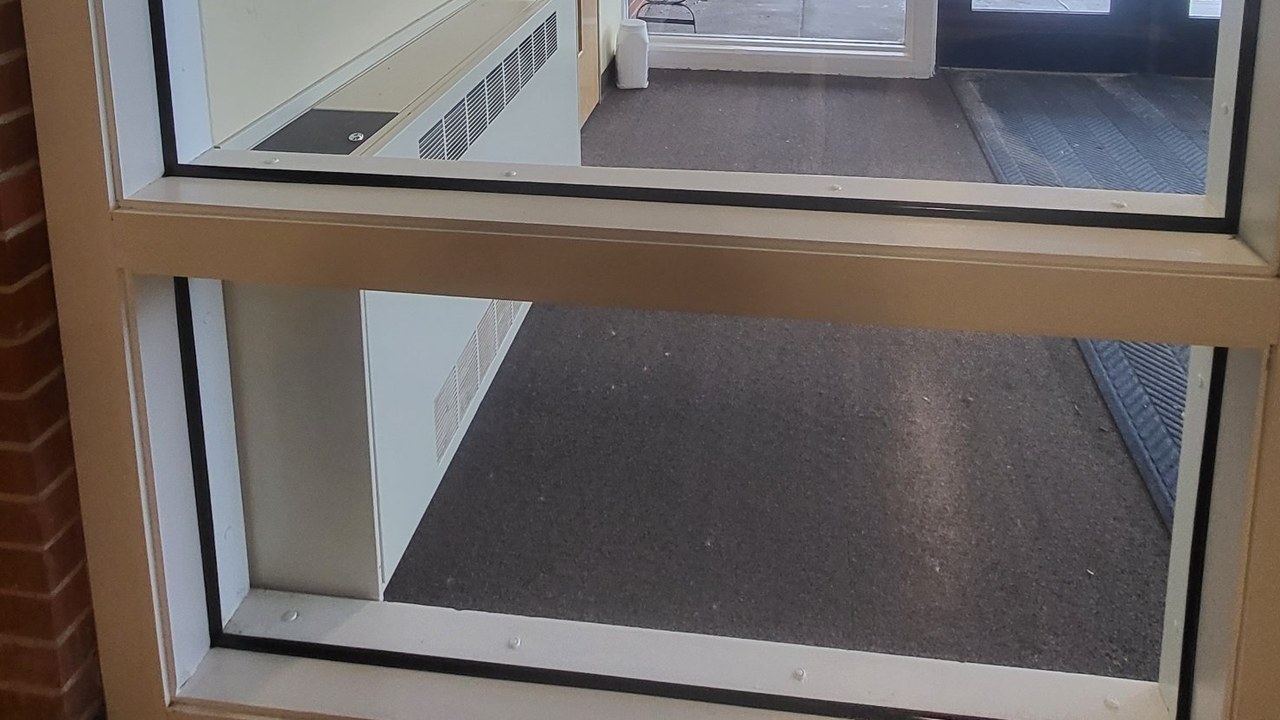
Security and Safety
ASTM F3561 and Security Window Film: What the Standard Tests
What ASTM F3561 tests, why it does not rate retrofit window film, the current edition, and what to ask when a specification or bid cites it.
Read Article: ASTM F3561 and Security Window Film: What the Standard Tests
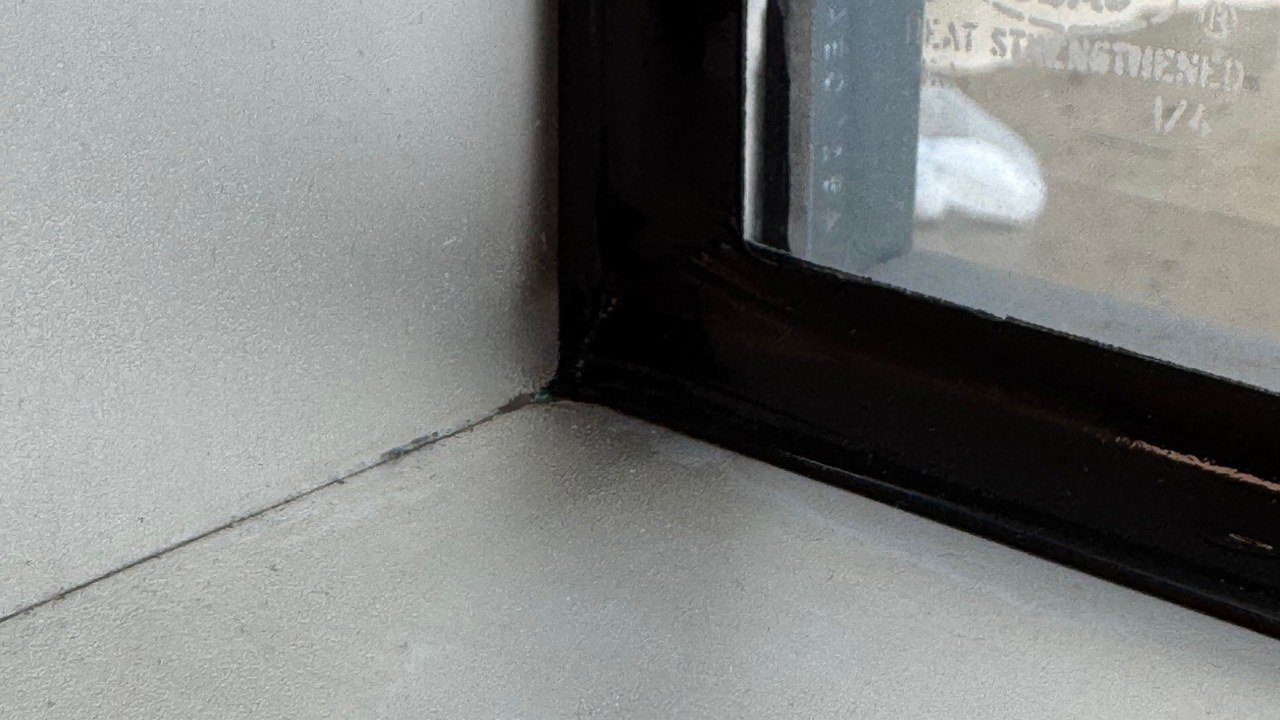
Security and Safety
Smash-and-Grab Protection for Storefronts and Video Gaming Locations
What security window film can and cannot do against smash-and-grab break-ins at storefronts and Illinois video gaming locations, and how the attachment changes it.
Read Article: Smash-and-Grab Protection for Storefronts and Video Gaming Locations
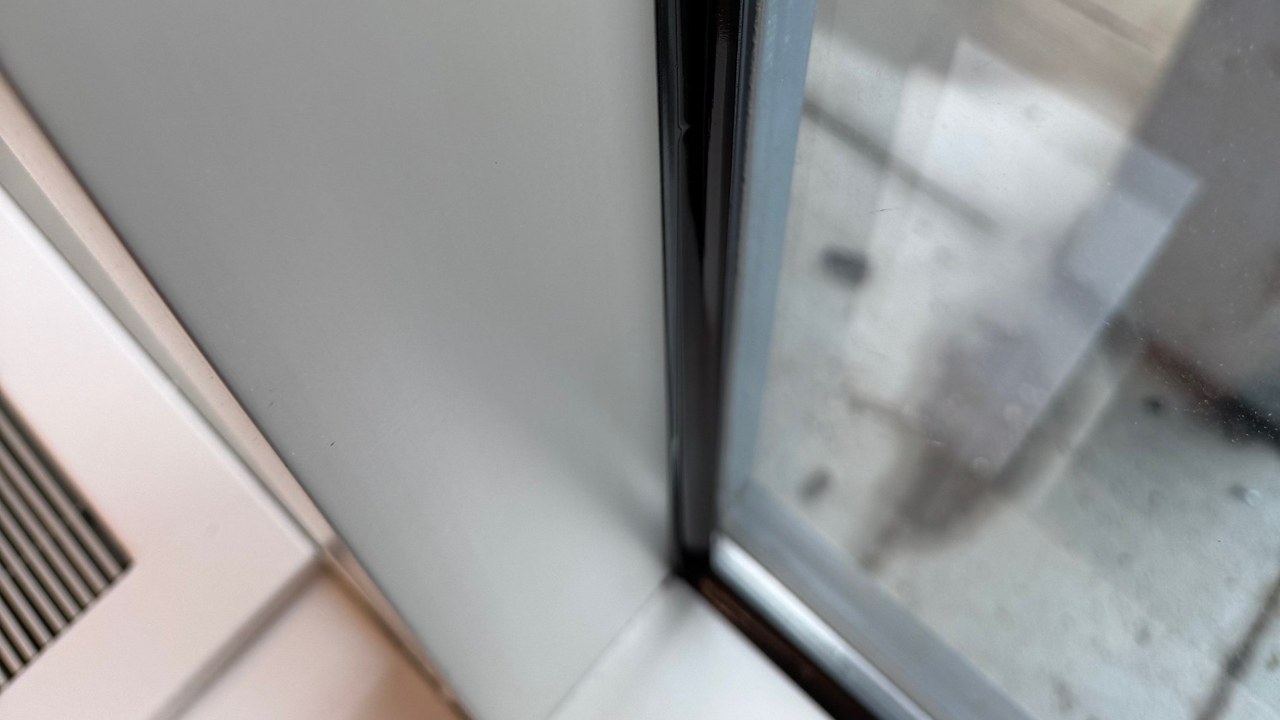
Security and Safety
Security Window Film Grants for Schools, Churches and Nonprofits
Which grants pay for security window film for Illinois schools, churches and nonprofits, what the 2026 rounds offered, and how to be ready for the next one.
Read Article: Security Window Film Grants for Schools, Churches and Nonprofits
Talk to a commercial window film contractor
AAA Glass Tint has served the commercial window film market since 1984. We assess the glass, the frames and the openings before recommending anything, and we install our own work.